Introduction to methods for avoiding welding defects in mesh structure steel structure welding!
更新時間:2025-02-18 10:55:36?點擊:78524 ? Entreprise's news

In the welding operation of mesh structure steel structure, in order to ensure welding quality and avoid welding defects, strict control is required from multiple aspects such as pre welding preparation, welding process control, and post welding inspection and treatment.
1、 Preparation before weldingMaterial control: Based on the characteristics of the base material, accurately match the welding material to ensure its quality meets standards and complete labeling.
Base metal cleaning: Using mechanical polishing, chemical cleaning and other methods to thoroughly remove impurities on the surface of the base metal, ensuring the purity of the welding pool.
Groove treatment: Based on the plate thickness and welding process, select the appropriate groove form and size to ensure a smooth and defect free groove surface.
Equipment inspection: Conduct a comprehensive inspection of welding equipment to ensure its stable operation and precise parameter adjustment.
Environmental management: Strictly control the temperature, humidity, and wind speed of the welding environment, and take necessary measures such as preheating and windproof when necessary.
2、 Welding process control
Parameter setting: Reasonably set the welding current, voltage, and welding speed based on factors such as base metal thickness and welding position.
Preheating and heating after welding: For thick plates or easily cracked steel, preheating before welding and heating after welding can reduce the cooling rate and accelerate hydrogen escape.
Welding sequence: Plan a scientific welding sequence, using methods such as symmetrical and segmented welding to reduce stress and deformation.
Operating standards: Welders need to have proficient skills, maintain the correct angle and strip handling method, and control the arc length well.
Interlayer cleaning: During multi-layer and multi pass welding, clean, inspect and handle defects in a timely manner after each layer is welded.
3、 Post weld inspection and treatment
Appearance inspection: After welding is completed, conduct a visual inspection first to check whether the surface of the weld is smooth and uniform, whether there are defects such as undercutting, weld bead, porosity, cracks, etc., and whether the weld size meets the design requirements. Promptly repair or polish any appearance defects discovered.
Non destructive testing: Based on design and standard requirements, ultrasonic, radiographic and other testing methods are selected to identify internal defects. Analyze the causes of defects that exceed the standard and repair them.
Stress relief: For important mesh structures, residual stresses are eliminated through heat treatment, vibration aging, and other methods to improve structural stability and lifespan.
Recommended Reading
-
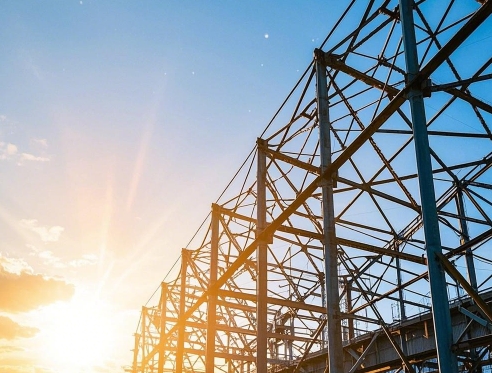
Full analysis of seismic design and maintenance of grid structure
2025-02-27 16:16:52?152031 次
-
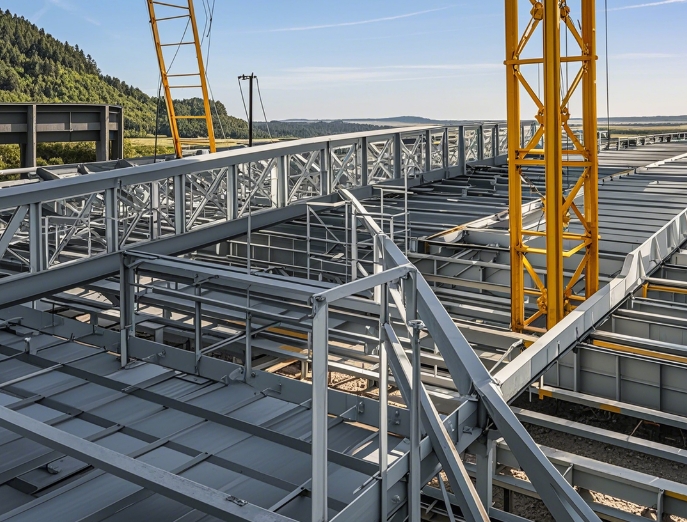
What are the key process points to follow in order to ensure the quality of grid processing?
2025-02-27 11:21:00?33170 次
-
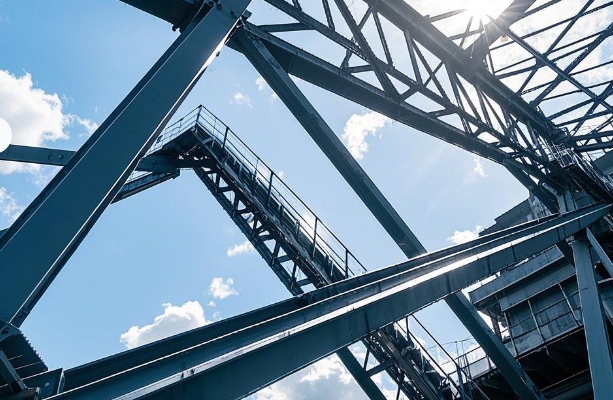
What type of construction is the grid mainly suitable for?
2025-02-25 16:42:00?39736 次
-
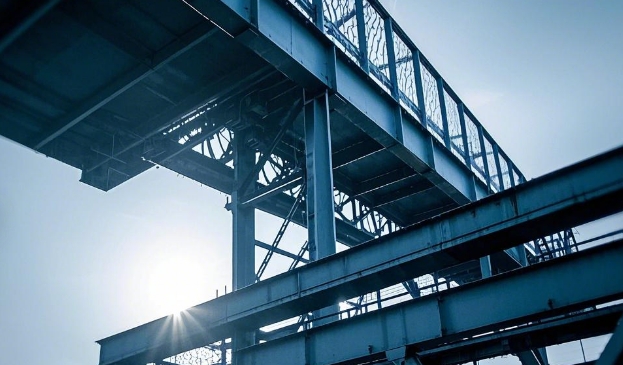
Quality control requirements of grid manufacturers!
2025-02-25 16:02:44?56799 次


